Managing field teams takes time and careful planning. Employees work in different locations, while managers need to track visits, assign tasks, and monitor progress. When businesses use spreadsheets, phone calls, or paper reports, these jobs become slow and hard to manage.
Shelfie was built to make field work easier. The platform brings daily operations into one place. Managers can plan work, assign tasks, verify visits, and track performance in real time.
Shelfie also uses AI to analyze photos of store shelves. The system checks each image for empty shelves, missing products, misplaced items, and other display issues. If it finds a problem, it alerts the right team so they can fix it quickly.
BBROS partnered with Shelfie to build a platform that saves time, improves visibility, and helps businesses run field operations more efficiently.
Managing field teams is about more than assigning tasks. Managers need to know where employees are, whether visits happen on time, and if work is completed correctly.
Without one central system, scheduling takes longer. Reports require more effort. Teams spend more time sharing updates through calls or messages. This makes it harder to keep everyone on the same page.
Retail businesses face another challenge. Managers cannot see every store at all times. Empty shelves, missing products, or poor product placement may go unnoticed until the next visit.
Shelfie also needed to work without an internet connection. Employees often visit places with weak or no signal. They still needed to complete tasks and upload their work later.
The platform also had to support more users and locations as the business grew.
The project aimed to:
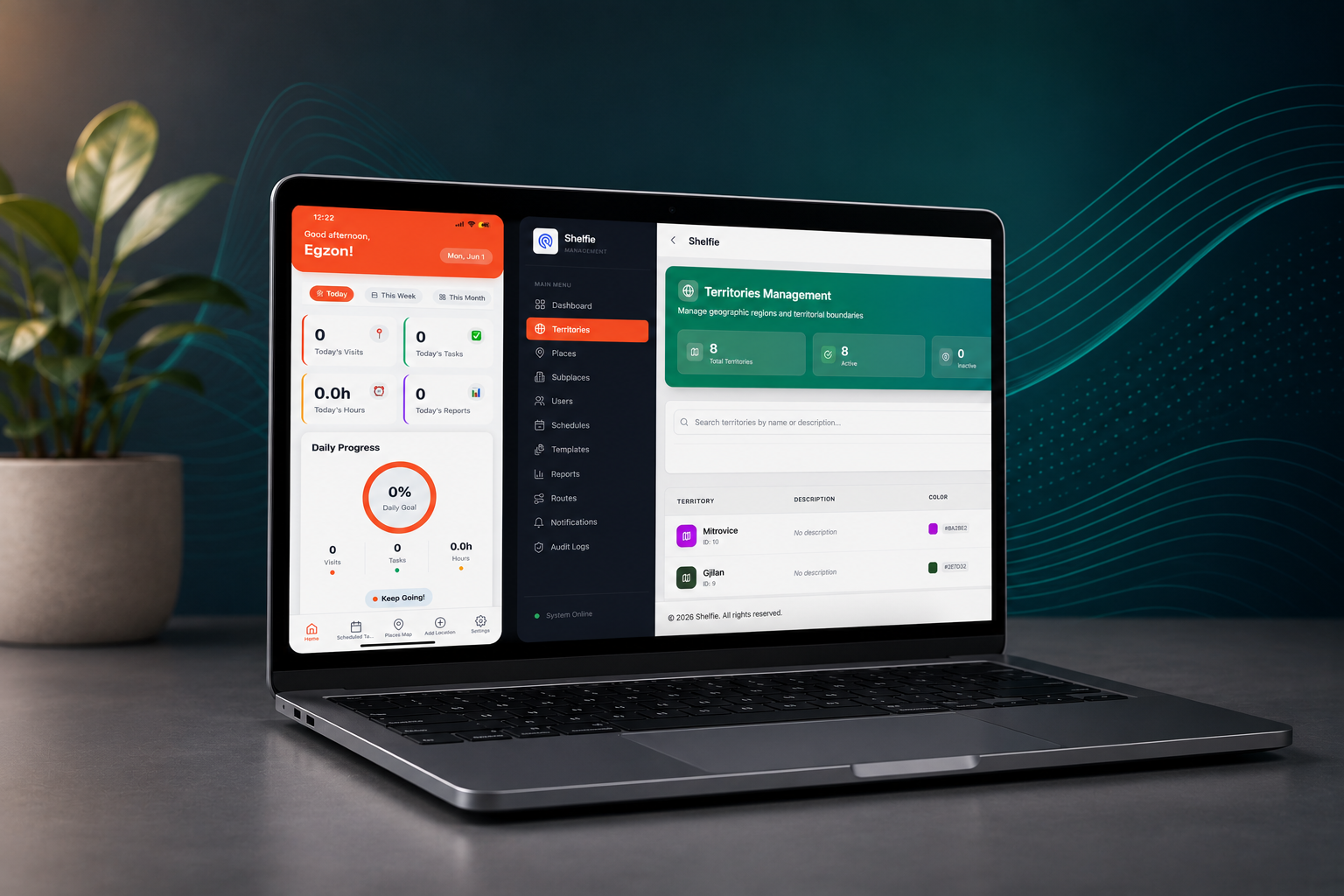
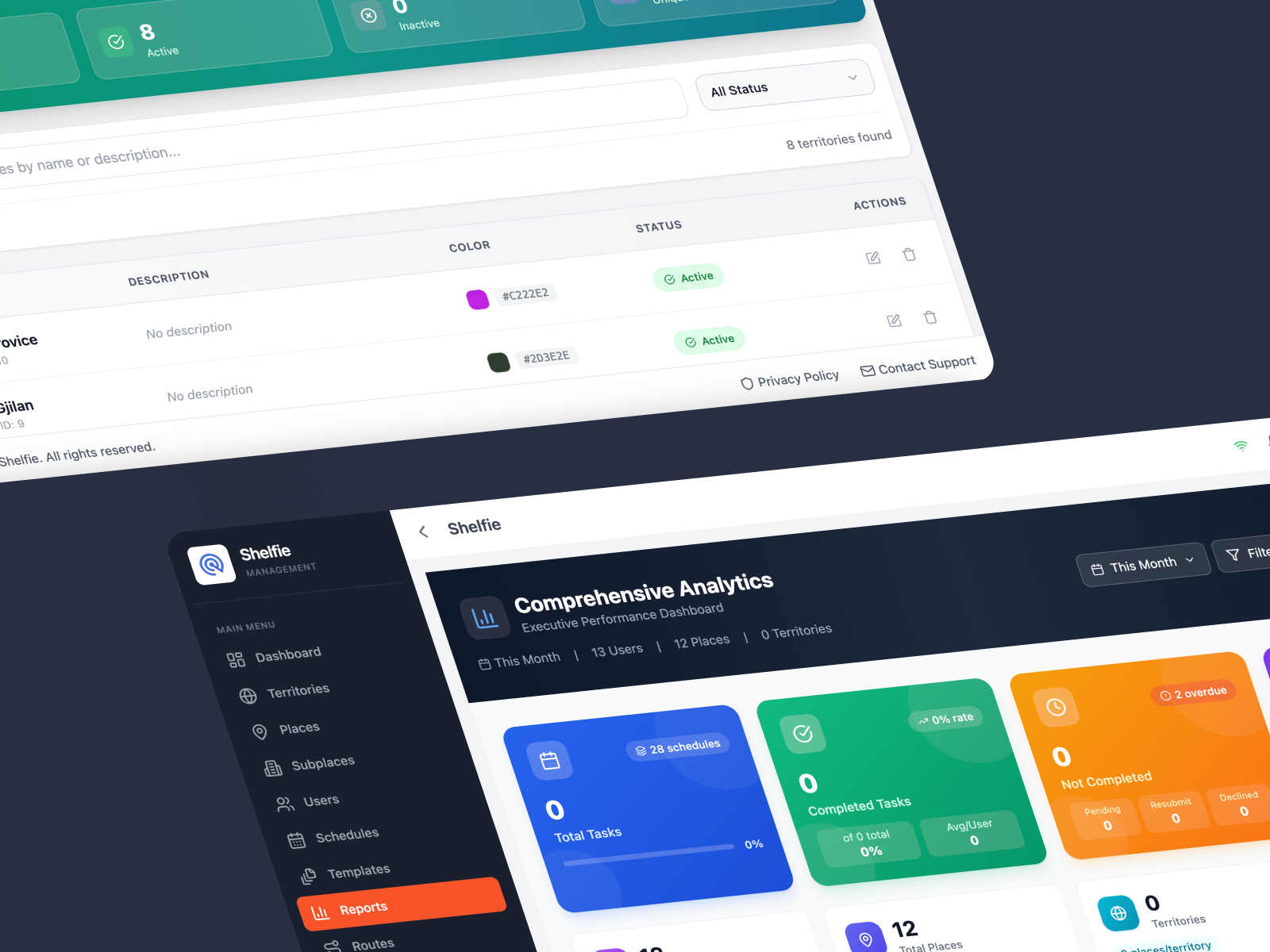
Managers can organize locations, create schedules, and assign tasks in minutes. They can also use templates to save time and keep work consistent across every location.
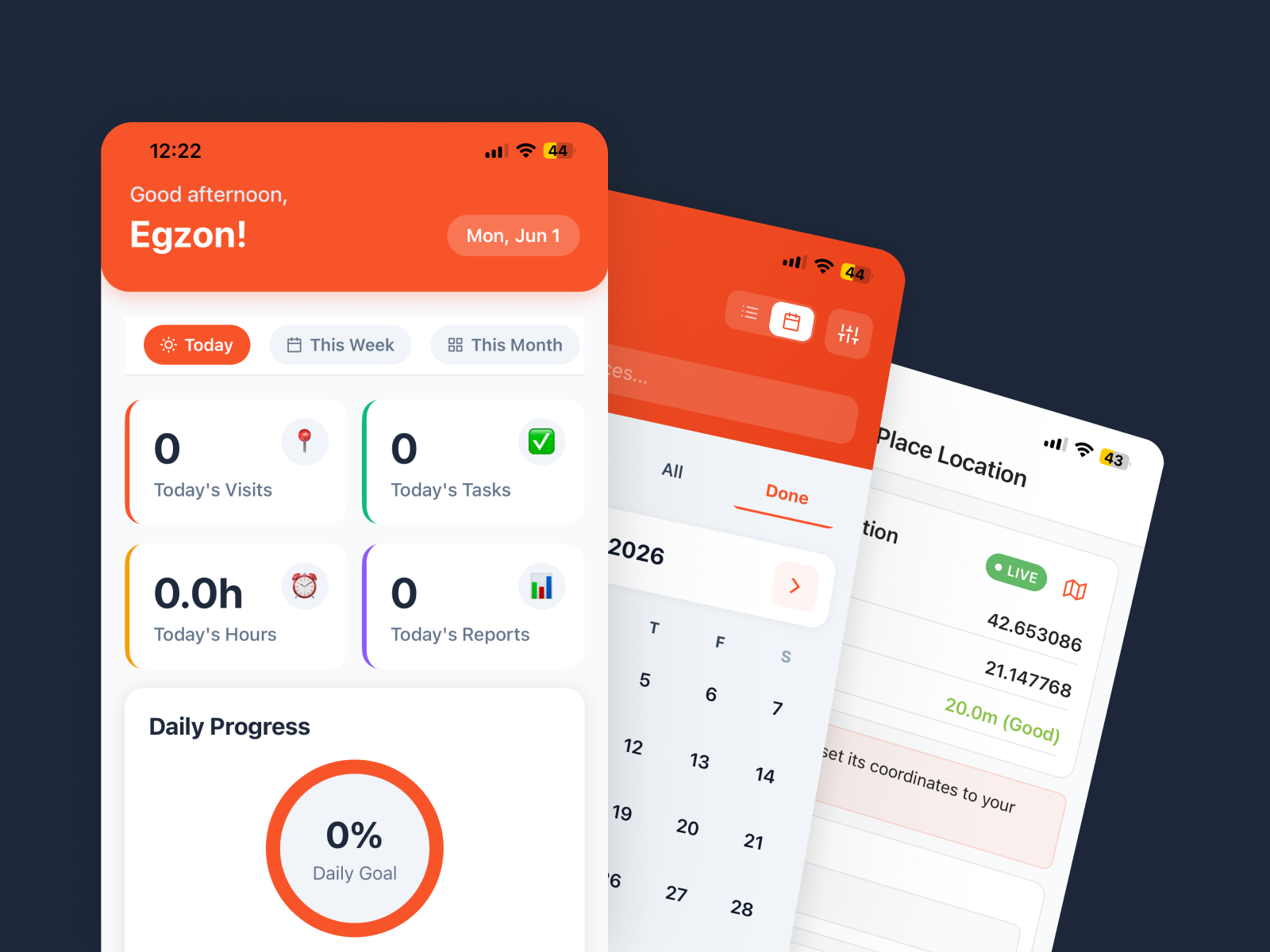
Employees use the mobile app to see their daily tasks. They check in and check out with GPS at every visit. This confirms they arrived at the correct location.
The platform also includes AI-powered shelf analysis. During each visit, employees take photos of store shelves. The AI reviews each image and looks for empty spaces, missing products, misplaced items, and other display problems.
When the AI finds an issue, it sends a notification to the right staff members. This helps businesses fix problems sooner and keep shelves well stocked and organized.
Shelfie also works offline. Employees can complete tasks, record visits, and take photos even without internet access. When they reconnect, the app automatically uploads all new data.
Managers can follow daily activity through simple dashboards. They can see completed visits, pending tasks, shelf issues, and team performance in real time. This helps them make faster and better decisions.
The platform is also easy to expand. Businesses can add more employees, locations, and workflows as they grow.
Shelfie gives businesses one place to manage field operations. Managers can plan work, monitor teams, and review reports without relying on manual processes.
AI helps businesses spot shelf problems faster. The system checks shelf photos automatically and alerts staff when something needs attention.
Employees have a simple app that keeps their work organized. They can complete tasks, verify visits, and continue working even when they are offline.
By bringing field management, GPS verification, AI, and reporting into one platform, Shelfie helps businesses save time, improve accountability, and make better decisions.
This case study was developed with AI-assisted writing and carefully reviewed, edited, and approved by the BBROS team to ensure accuracy and quality.
Hügelstraße, Frankfurt